Dust Collectors
Different manufacturing processes generate different types and quantities of dust. A system designed for metal grinding, for instance, may not be suitable for fine powder handling without changes to its configuration. Selecting an industrial dust collector therefore begins with understanding the application, including dust characteristics, airflow requirements, filter suitability, and plant layout. This approach helps plant and maintenance teams evaluate equipment based on actual on-site requirements.
1. Identify the Dust and the Process
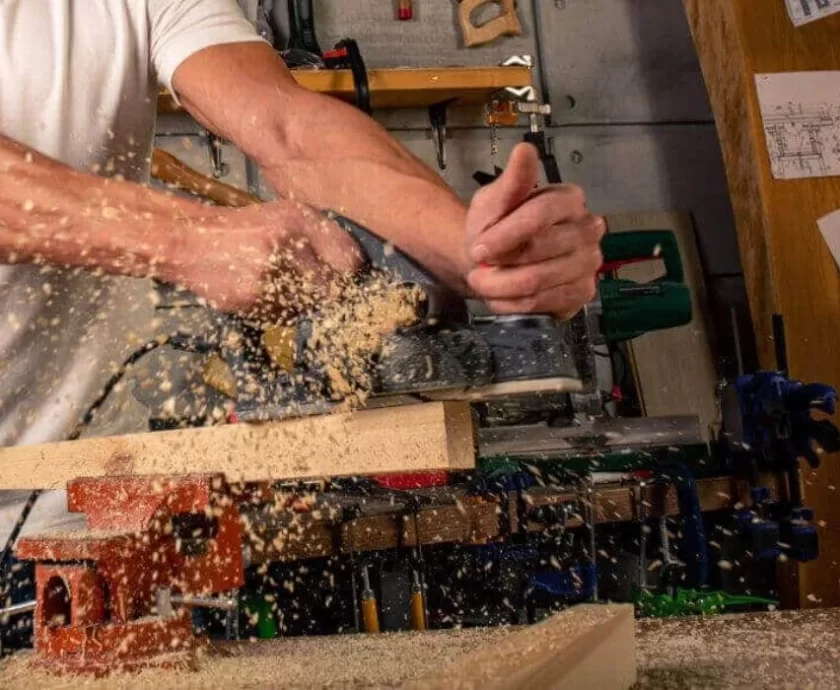
Start by identifying the material being processed and how dust enters the air. Wood particles, fine powders and metal grinding dust behave differently. Particle size, density, moisture, temperature, abrasiveness and chemical properties influence dust collection and filtration requirements.
Record operating hours, production volume, dust generation points and the machines that operate simultaneously. These details help establish the requirements for the collector, hoods, ductwork and blower. Combustible, reactive or hot dust requires specific safety considerations before the equipment configuration is finalised.
2. Calculate Airflow and Static Pressure Together
Airflow refers to the volume of air moved through a system, commonly measured in cubic metres per hour (m³/hr) or cubic feet per minute (CFM). Requirements depend on the extraction hood, distance from the dust source, number of collection points and operating conditions.
Static pressure represents the resistance the blower must overcome across hoods, ducts, bends, dampers and filters. A unit with a high advertised airflow may not deliver the required volume when connected to a restrictive duct network.
|
Selection factor |
What to assess |
|
Airflow |
Required extraction at each collection point |
|
Static pressure |
Duct length, bends, branches and filter resistance |
|
Operating pattern |
Machines running simultaneously |
|
Plant layout |
Duct routing, installation space and access |
The goal is not to select the biggest dust collector machine, but to ensure that the system performs well during operating hours.
3. Match Filtration to the Dust Type
Filter selection depends on particle characteristics, dust loading, and operating conditions. Different technologies serve different applications, so no single filter is suitable for every manufacturing process.
|
Collector type |
Typical application considerations |
|
Baghouse dust collector |
Larger dust loads and demanding industrial operations |
|
Cartridge filter collector |
Fine, dry dust where a large filtration area in a compact housing is useful |
|
Cyclone collector |
Separating larger or heavier particles, sometimes before final filtration |
|
Portable dust collector |
Localised extraction for selected grinding, sanding or polishing tasks |
|
Downdraft table collector |
Capturing dust at the work surface during suitable operations |
Note: While making the final selection, also consider the moisture levels, temperature, filter loading and cleaning requirements for the dust collector.
4. Capture Dust Close to Its Source
Effective dust control starts with capturing dust as close to its source as possible. Depending on the process, this may involve enclosed work areas, extraction hoods, machine-integrated connections, or downdraft tables. The choice depends on how dust is generated and where it enters the air.
For facilities operating multiple machines, the duct network must deliver the required airflow to each active extraction point. A central collection system can serve several machines, provided the collector, blower, ductwork, and controls are designed around the plant’s operating requirements. Without this assessment, extraction performance may vary across the system.
5. Plan for Dust Discharge and Maintenance
Collected material needs a practical removal arrangement. Depending on dust volume and characteristics, this may involve collection bins, hoppers, or continuous discharge equipment. Before purchasing, ask how filters are cleaned, how pressure drop is monitored, and how easily components can be inspected or replaced.
Filter loading increases airflow resistance, making routine maintenance important for consistent operation. Also assess safe access to the collector, ductwork, and discharge points. Maintenance requirements should be part of the initial selection process, not an afterthought.
6. Consider Plant Layout and Future Requirements
Available floor space, ceiling height, power supply, duct routing and maintenance access influence equipment selection. Noise and the location of dust-generating machines may also affect installation planning.
If production is expected to expand, identify possible additional machines and extraction points. The system can then be planned for future changes without automatically investing in an unnecessarily oversized unit. Prepare an application brief covering the material, process, operating hours, airflow requirements, number of extraction points, filtration needs, layout and relevant safety considerations. This gives suppliers a clearer basis for recommending equipment.
Choosing the Right Dust Collection Solution
Dynavac manufactures industrial dust collection equipment, including baghouse and cartridge filter collectors, portable dust collectors, wood dust collectors, downdraft table collectors and cyclone collectors. Its dust collection solutions can incorporate components such as extraction hoods, ductwork and blowers to suit the application and operating requirements.
Selecting an industrial dust collector starts with understanding how dust is generated, captured and filtered. Airflow, static pressure, filtration requirements, dust discharge, maintenance access and future production needs all influence equipment selection. Matching the equipment configuration to these requirements helps support effective dust collection and reliable operation.
FAQ’s
1. How do you choose the right industrial dust collector for your plant?
Choosing an industrial dust collector starts with understanding the dust generated, the required airflow, the number of collection points, and operating conditions. Dynavac manufactures industrial dust collection equipment for different process requirements.
2. Why is airflow important when selecting a dust collector?
Airflow determines how effectively dust-laden air can be captured and carried to the filtration unit. An appropriately designed system considers dust generation, collection points, and duct layout to support reliable dust collection across industrial operations.
3. How does dust type affect dust collector selection?
Dust characteristics influence the filtration method, filter material, and overall system design. Fine powders, coarse particles, and dust generated by different industrial processes may require different approaches. Dynavac’s product range includes different collector configurations to address varying industrial dust collection requirements.
4. What should plant managers consider when comparing dust collector manufacturers?
Plant managers should compare manufacturing capability, equipment configuration, filtration options, application suitability, maintenance requirements and service support. They should also check whether the proposed system can deliver the required airflow under actual operating conditions and accommodate the plant’s layout and production demands.
5. How can an industrial dust collector support better dust control?
A suitably designed dust collection system captures airborne dust near its source, helping maintain cleaner work areas and manage industrial emissions. Effective dust control also depends on correct installation, suitable filtration, and regular maintenance based on operating conditions.