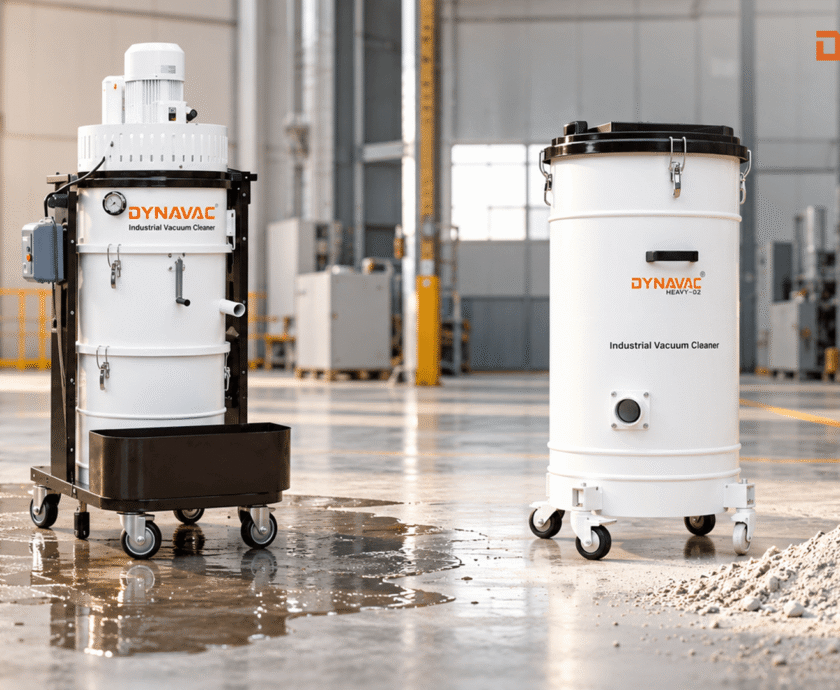
Industrial Vacuum Cleaners
Keeping an industrial facility clean needs more than a regular sweep with standard cleaning appliances. Factories, warehouses, and workshops have to deal with fine dust, powder, metal scraps, water, and other waste every day that needs the right cleaning equipment. This is where the decision between wet and dry vacuum cleaning systems becomes crucial for overall factory hygiene. The choice in this regard always depends on the type of waste, the cleaning frequency, and the conditions on the shop floor.
What Is an Industrial Vacuum Cleaner?
An industrial vacuum cleaner is a heavy-duty machine designed to collect waste from demanding work environments. Unlike the normal vacuum cleaner found in appliance marts, these are especially built to handle industrial cleaning needs and regular use.
Key factors to consider include:
- Suction capacity: Determines how effectively the machine collects waste.
- Tank capacity: A larger tank can reduce interruptions for emptying.
- Filtration: The right filter helps capture particles suited to the application.
- Construction: Equipment must withstand the demands of the working environment.
- Maintenance access: Easy access to filters, hoses, and collection tanks helps simplify routine servicing.
The right heavy-duty vacuum cleaner should match the waste generated by the process, rather than simply offering the highest suction or largest tank.
What Is a Wet Industrial Vacuum Cleaner?
An industrial wet and dry vacuum cleaner is designed to collect liquids and suitable wet waste. It can be useful in facilities where water, oil, or other process liquids accumulate during operations.
How does it work?
The machine draws liquid through a hose into a collection tank. Depending on the design, a float mechanism or another protective system helps prevent the tank from overfilling and protects the motor.
Common applications include:
- Collecting water from factory floors and maintenance areas.
- Removing suitable liquid waste from workshops.
- Cleaning up compatible spills in industrial settings.
- Managing liquid residue during routine cleaning.
Note: Not every wet vacuum is suitable for chemical spills, flammable liquids, or hazardous substances. Check material compatibility and equipment specifications before use. Follow the facility’s spill response procedures for dangerous materials.
What Is a Dry Industrial Vacuum Cleaner?
A dry industrial vacuum cleaner collects solid waste, such as dust, powder, sawdust, and metal particles. It is suitable for facilities where dry material builds up around machinery, workstations, or storage areas.
How does it work?
The machine draws dust and debris through an inlet. Its filtration system separates particles from the airflow, allowing filtered air to pass through the exhaust.
Common applications include:
- Collecting dry dust around production equipment.
- Removing packaging debris from warehouses.
- Cleaning sawdust and metal shavings.
- Managing fine particles in manufacturing areas.
Filter selection is especially important when handling fine dust. Where hazardous or combustible dust is present, the equipment must be specifically suitable for that material and operating environment.
Wet vs Dry Industrial Vacuum Cleaner: Key Differences
The main difference lies in the type of waste each machine is designed to collect. Compare the options before deciding which one fits your facility.
| Factor | Wet vacuum cleaner | Dry vacuum cleaner |
| Waste handled | Suitable for liquids and wet waste | Dust, powder, and dry debris |
| Typical use | Liquid collection and spills | Dust and solid waste removal |
| Key consideration | Tank capacity and liquid compatibility | Filter type and dust characteristics |
| Maintenance | Empty and clean the tank after use | Inspect and clean filters regularly |
Can One Machine Handle Both Wet and Dry Waste?
Yes, a vacuum cleaner for dry and wet waste can handle both suitable liquids and solid debris using a single machine. This makes it a practical choice for facilities where cleaning needs vary throughout the day.
Instead of switching between two machines, operators can use one unit for different cleaning tasks. However, it is important to follow the correct operating instructions when moving between wet and dry collection. The tank, filters, and other components may need to be cleaned or adjusted before switching tasks.
Dynavac’s Hydra® series offers an industrial wet and dry vacuum cleaner range for collecting liquids, dust, metal shavings, wood chips, and other suitable materials. With models ranging from 1 HP to 15 HP, the range offers options for different application needs. Features include a high-capacity collection drum, pleated dust bag, secondary filtration, and manual filter cleaning. The right configuration depends on the material being collected and the conditions in which the machine will operate.
How to Choose the Right Vacuum for Your Facility
Before investing in a vacuum cleaner for dry and wet waste, consider these practical factors:
- Waste type: Identify whether the main requirement is liquid collection, dry dust removal, or both.
- Volume of waste: Estimate how much material accumulates during each shift to determine suitable capacity.
- Operating hours: Frequent cleaning may require equipment designed for demanding or continuous operation.
- Filtration needs: Match the filtration system to particle size and any material-specific safety requirements.
- Maintenance: Check how easily the tank can be emptied and filters cleaned or replaced.
- Workplace conditions: Consider available space, movement between workstations, and the type of surfaces being cleaned.
For example, a workshop handling both metal chips and liquid spills benefits from an industrial vacuum cleaner that cleans both kinds of waste.
Safety and Maintenance Tips
Regular maintenance helps preserve suction performance and supports safe operation. Regularly inspect hoses, filters, electrical connections, and collection tanks at the recommended intervals. Empty the tank before it exceeds its safe capacity, and clean components according to the manufacturer’s instructions.
Never assume that a standard wet or dry vacuum is suitable for flammable liquids, combustible dust, or hazardous chemicals. Confirm equipment compatibility and follow workplace safety procedures before cleaning these materials.
Choose Equipment That Fits Your Cleaning Needs
Choosing the right heavy duty vacuum cleaner can make routine cleaning easier to manage and help maintain a cleaner, safer workplace. Whether your facility handles liquid spills, dry dust, or a mix of both, the key is to match the equipment to your cleaning needs and operating conditions.
Dynavac’s Hydra® Wet and Dry Industrial Vacuum Cleaner range offers options for different industrial applications, with models ranging from 1 HP to 15 HP. Explore the range to find a vacuum cleaner that will suit your facility best.
Contact Dynavac to discuss your application and take the next step towards a more effective industrial cleaning setup.
FAQ’s
- What should businesses consider when choosing an industrial wet and dry vacuum cleaner?
Businesses should assess waste type, collection volume, cleaning frequency, filtration needs, and operating conditions. Dynavac’s Hydra® range offers industrial wet and dry vacuum cleaners, with model selection based on the facility’s specific cleaning requirements.
- Can an industrial wet and dry vacuum cleaner handle both liquids and solid waste?
Yes, suitable wet and dry vacuum cleaners can collect liquids and solid waste. However, operators must follow manufacturer instructions when switching tasks and confirm that the materials being collected are compatible with the equipment.
- Which industries can benefit from Dynavac’s Hydra® vacuum cleaner range?
Facilities handling liquids, dust, metal shavings, wood chips, and similar materials may benefit from suitable wet and dry vacuum cleaners. Dynavac’s Hydra® range offers options for different industrial cleaning applications, depending on operating conditions and waste characteristics.
- What features should buyers check before selecting a wet and dry vacuum cleaner?
Check collection capacity, filtration arrangements, filter-cleaning methods, maintenance access, and motor power. Dynavac’s Hydra® range includes models from 1 HP to 15 HP, with features varying by configuration to suit different industrial cleaning needs.
- How can Dynavac help facilities choose the right industrial vacuum cleaner?
Dynavac offers industrial vacuum cleaning equipment for varied applications. By discussing waste characteristics, cleaning frequency, and operating conditions with Dynavac, facilities can assess suitable Hydra® models and identify a configuration aligned with their requirements.