Industrial Vacuum Cleaners
Workshops generate different types of waste during daily operations. Metal shavings, wood chips, fine dust, loose debris, and liquid spills can collect around machines, workbenches, and floors. That’s why it’s important to maintain regular cleaning in order to keep work areas clear and prevent debris from interfering with routine tasks.
However, not every cleaning machine is designed for demanding workshop conditions. A suitable vacuum cleaner for dry and wet applications should match the type of material collected, cleaning frequency, and operating environment. This guide explains what to assess when selecting a heavy-duty workshop vacuum.
Start With the Type of Workshop Waste
Start by identifying what the vacuum needs to collect. Fabrication workshops may generate metal shavings, while woodworking units deal with sawdust and wood chips. Maintenance areas may also need to collect water and suitable liquid spills.
Different materials place different demands on the machine. Heavy chips need effective collection, fine dust needs suitable filtration, and liquid pickup requires an appropriate tank and separation arrangement.
Before choosing an industrial wet and dry vacuum cleaner, check whether the machine is designed for the actual waste. Combustible, hazardous, or special dust may require equipment with specific safety approvals and configurations.
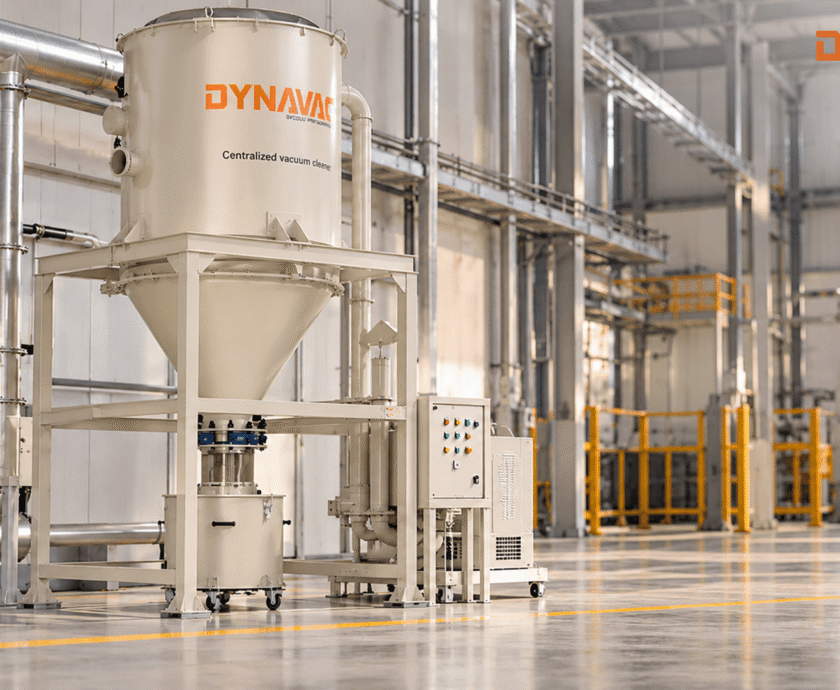
For applications where airborne dust needs to be captured at its source, a dedicated industrial dust collector may also be required alongside floor-cleaning equipment.
Check Motor Power and Suction Performance
Motor power is an important specification, but it should not be the only basis for selection. The vacuum must generate suitable airflow and vacuum pressure to move the material through the hose and into the collection system.
Consider debris size and weight, hose diameter and length, distance from the cleaning point, and the duration of each cleaning cycle.
Dynavac’s Hydra® range offers vacuum solutions from 1 HP to 15 HP to address different industrial cleaning requirements. That said, the correct selection would be based completely on the required airflow, vacuum pressure, material characteristics, and cleaning distance.
Select a Practical Collection Capacity
A high-capacity collection drum can reduce the number of interruptions needed to empty the machine. This helps where debris accumulates throughout a shift. Consider capacity alongside machine movement and disposal. A drum that is difficult to empty can slow cleaning.
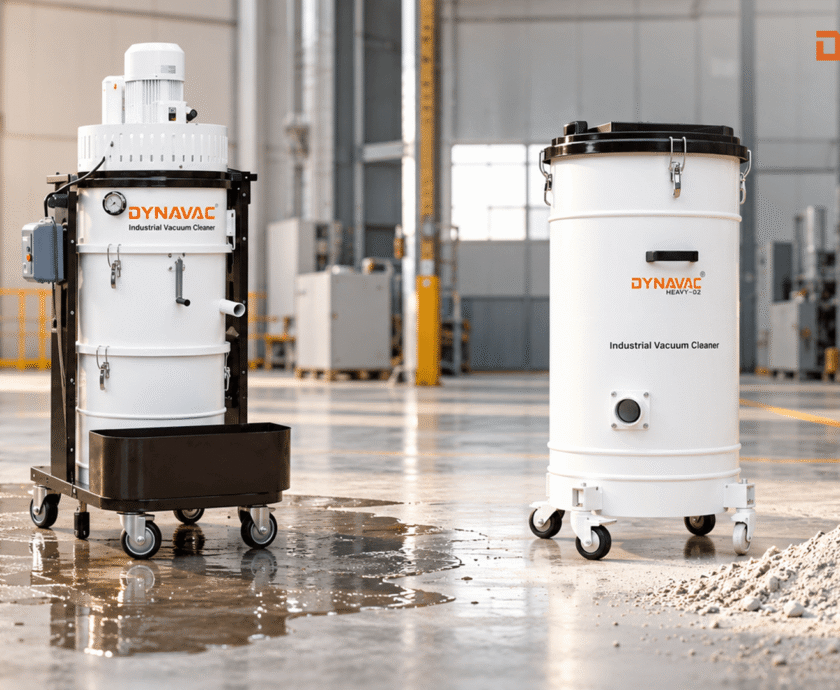
For facilities that collect both dry waste and suitable liquids, a vacuum cleaner for dry and wet use should also have a practical arrangement for handling the collected material. The Hydra® series includes a dedicated collection drum for collecting dust and liquids.
Give Filtration and Filter Cleaning Due Attention
Fine dust may remain in the airflow after heavier material settles in the tank. Filtration helps capture these particles. Look for a pleated dust bag, secondary filtration, accessible replacement filters, and a cleaning arrangement suited to the dust load. Dynavac’s Hydra® range includes a pleated dust bag and a secondary filter. It also offers a manual shaker arrangement to help clean the filter. This helps when dry dust builds up.
Consider Wet Pickup and Material Separation
Workshops may collect water from cleaning or maintenance alongside dry production debris. A wet and dry machine can handle both when materials are compatible with its design. Check how the machine separates liquid from the airflow and whether the tank can be emptied safely.
Dynavac offers a Metal and Liquid Separator configuration, known as the Hydra ML. This supports applications requiring metal and liquid separation. It should not be assumed suitable for every chemical, hot material, or hazardous liquid. Confirm compatibility with the manufacturer before use.
Check Construction, Mobility and Safety Options
Workshop equipment must withstand regular use. Check its frame, tank, wheels, hose connections, and access to serviceable parts. Dynavac’s Hydra® range offers a stainless steel construction option for applications such as collecting reusable food particles and corrosive dust. PU wheels support movement around the work area.
Safety requirements also depend on the material being collected. Antistatic filters and an explosion-proof option are available in the Hydra® range. Assess these options against the dust and operating environment. They do not make every configuration suitable for all hazardous applications.
Match the Machine to the Cleaning Schedule
A workshop cleaning at shift-end has different needs from one cleaning repeatedly through the day. Consider operating hours, users, debris volume and maintenance access. The Hydra® series is designed for continuous operation, including 24/7 use. Its high-vacuum ring or regenerative blower supports demanding cleaning tasks involving heavy debris, spills, and dust. The vacuum gauge also helps operators identify suction performance during use.
Choosing a Heavy-Duty Workshop Vacuum
The right machine is determined by the cleaning application, not by one specification alone. Compare debris type, suction requirements, drum capacity, filtration, wet pickup, mobility, and safety needs before making a decision.
Dynavac manufactures industrial vacuum cleaner equipment for demanding plant environments. Its Hydra® wet and dry range offers configurations from 1 HP to 15 HP, with features such as a high-capacity drum, pleated dust bag, secondary filtration, and manual filter cleaning.
For workshops evaluating a vacuum cleaner for dry and wet cleaning tasks, reviewing the actual waste and operating schedule is a practical starting point. Explore the Dynavac Hydra® Wet & Dry Industrial Vacuum Cleaner range to assess the available configurations for the application.
FAQ’s
- What materials can a heavy-duty workshop vacuum collect?
A suitable workshop vacuum can collect materials such as dust, metal shavings, wood chips, loose debris, and compatible liquid spills. The correct configuration depends on material size, volume, and safety requirements. Hazardous or combustible dust may need specialist equipment too.
- What motor power is available in Dynavac’s Hydra® range?
Dynavac’s Hydra® wet and dry industrial vacuum cleaner range is available in configurations from 1 HP to 15 HP. The appropriate option depends on the debris, cleaning frequency, suction requirement, and operating conditions within the workshop environment and workload.
- Why is filtration important in a workshop vacuum?
Workshop dust can remain suspended in the airflow after heavier debris enters the collection drum. Suitable filtration helps capture finer particles. Dynavac’s Hydra® range includes a pleated dust bag and secondary filtration to support dry material collection during routine cleaning.
- Can a wet and dry vacuum collect metal shavings and liquids?
A suitably configured wet and dry vacuum can collect metal shavings and compatible liquids. Check the machine’s separation arrangement and material compatibility first. Dynavac’s Hydra® range includes a Metal and Liquid Separator configuration for relevant workshop cleaning applications and tasks.
- What should workshops consider before buying a heavy-duty vacuum?
Assess the waste type, daily cleaning hours, collection capacity, airflow, vacuum pressure, filtration, filter cleaning, mobility, and maintenance needs. Dynavac’s Hydra® range offers multiple configurations, helping workshops compare equipment against their actual cleaning workload and operating requirements effectively.